
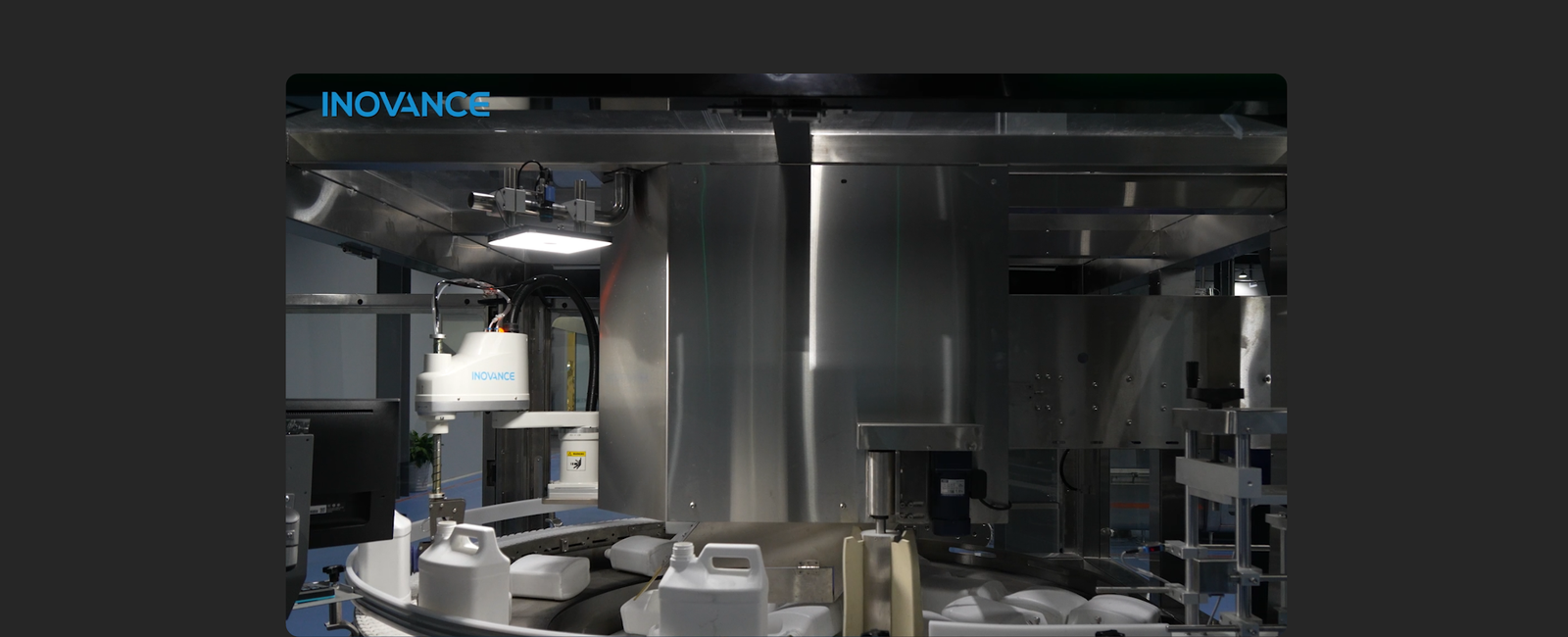
From signals to actions
A programmable logic controller, or PLC, runs control logic for a machine or process. Input devices provide signals; the program evaluates conditions; output devices act on the result. The controller also communicates with other automation equipment.
A simple manufacturing example
Consider a handling station: a sensor detects a part, the controller checks the operating conditions, and an output initiates the next step. An operator interface can show status and alarms. This is a functional illustration, not a complete machine design.
PLC, HMI and servo drive
The PLC coordinates logic and sequence. The human-machine interface, or HMI, presents information and operator controls. A servo drive regulates a motor. These functions work together but are not interchangeable. Safety-related control requires the appropriate equipment and system design; an ordinary PLC program does not establish machine safety.
Continue reading
Battery Management Systems, Explained
Battery Cells, Modules & Packs
Servo Systems, Explained